
The Ultimate Guide to Exploring the Mara Triangle
February 19, 2026
How Enkishui Safari Camp Protects the Mara and Its Communities
March 13, 2026The Ultimate Guide to Exploring the Mara Triangle
February 19, 2026How Enkishui Safari Camp Protects the Mara and Its Communities
March 13, 2026The Best Time to Visit the Masai Mara and Mara Triangle for Wildlife Viewing
It is no secret that the Masai Mara is one of the best known areas to view Africa's most iconic wildlife. In nature seasons matter and this is also true for the Masai Mara. So when is the best time to visit the Masai Mara and Mara Triangle?
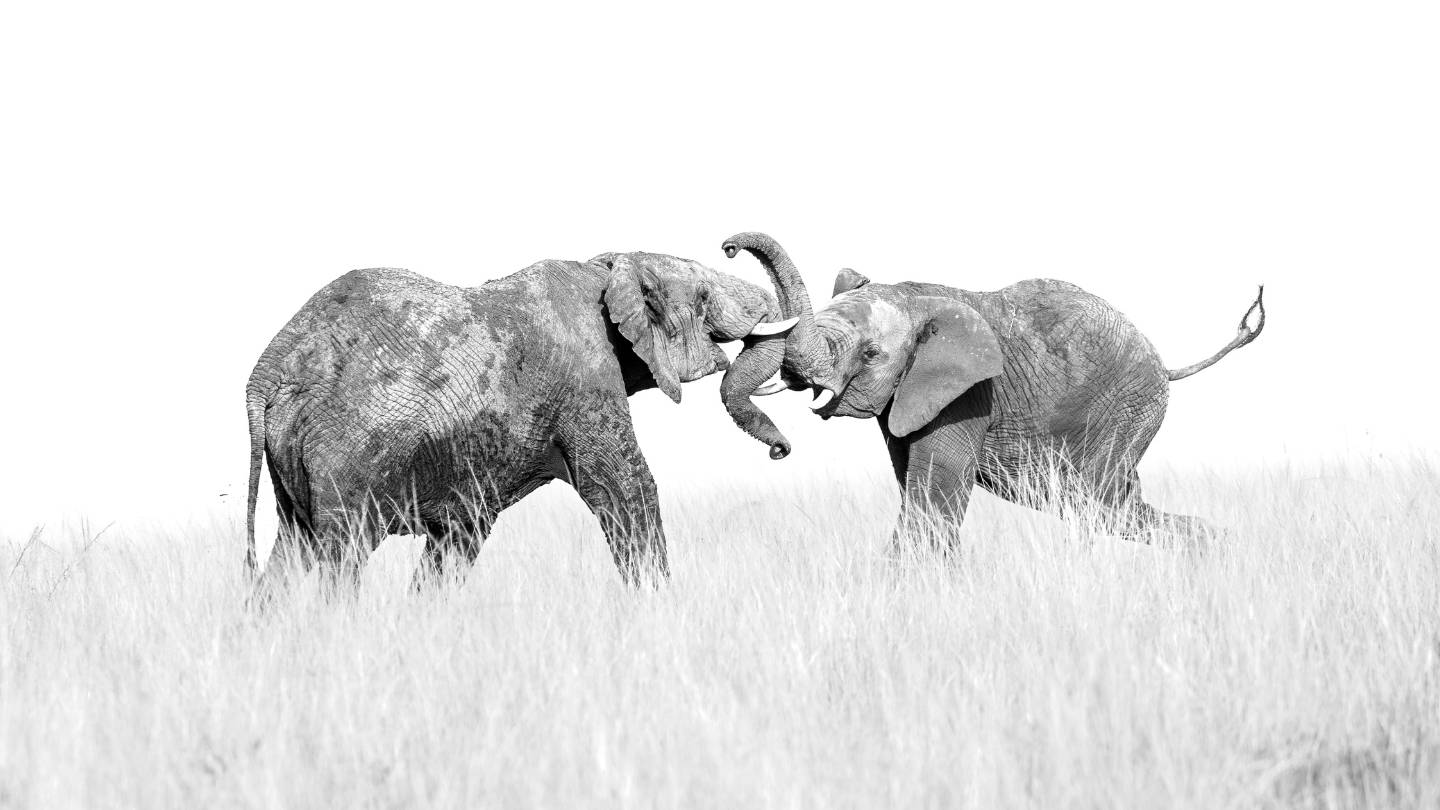
January-March: Predator Season
The short dry season between January and March is another excellent time to visit the Masai Mara or Mara Triangle for wildlife viewing.
Although the migration herds are mostly in the Serengeti during this period, the reserve still hosts abundant resident wildlife.
Highlights of this season
- Calving season: Many herbivores (like Gazelle's, Topi's) give birth.
- Predator activity: Lions, hyenas, and cheetahs are attracted by vulnerable newborn animals.
- Fewer crowds: Compared with migration season.
Because the weather is warm and relatively dry, game drives are comfortable and wildlife sightings remain excellent.
This is often considered the best time for photographers interested in predator behaviour.
"Migration herds are mostly in the Serengeti during this period"
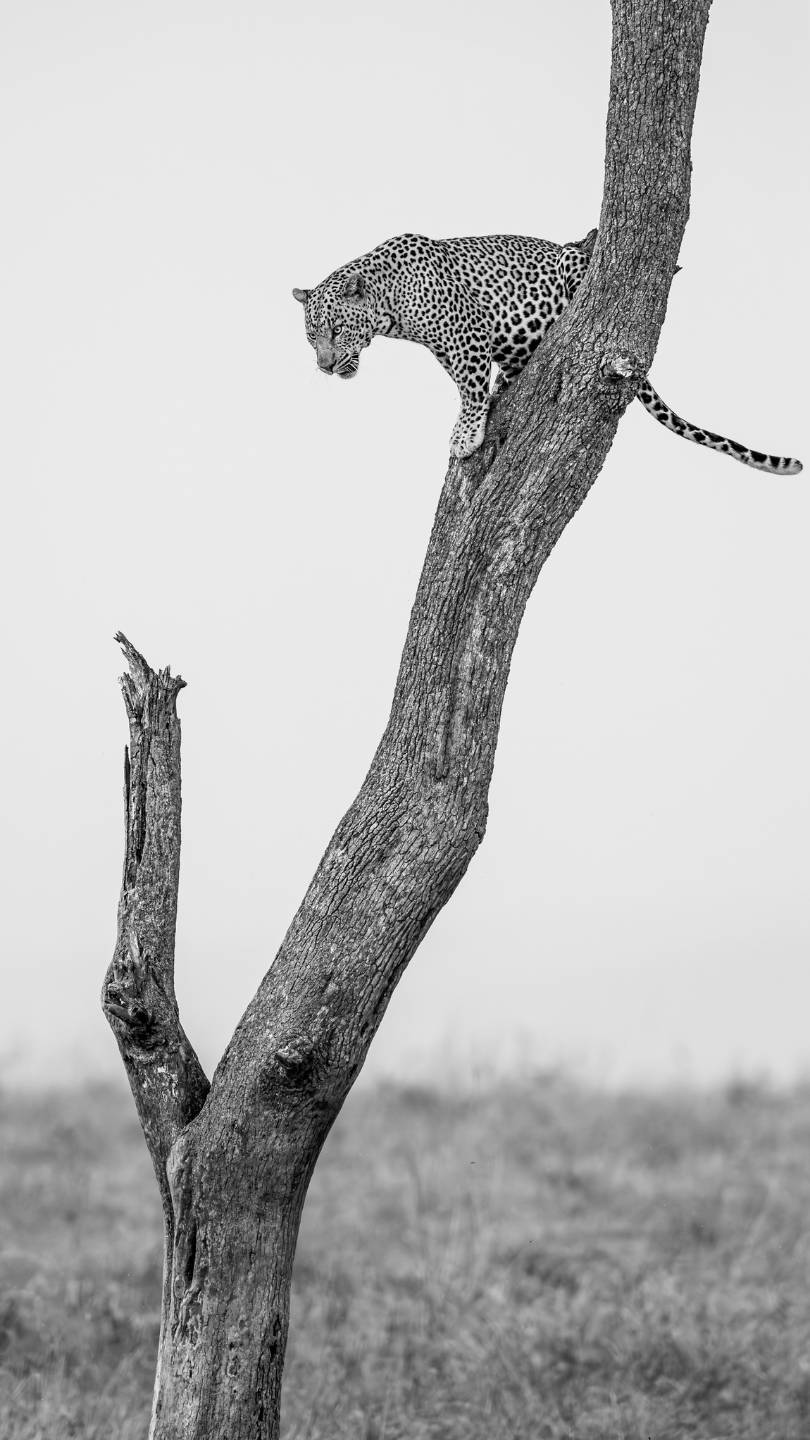
March-May: The Green Season (Low Tourist Crowds)
From March to May, the Masai Mara experiences its long rainy season, transforming the savannah into lush green landscapes.
Although this period is often considered the low season for safaris, it has unique advantages.
What to expect
- Dramatic landscapes and vibrant greenery
- Excellent birdwatching with migratory species arriving from Europe and North Africa.
- Fewer tourists and lower accommodation prices.
However, heavy rains can make roads muddy and wildlife slightly harder to spot due to taller grass.
This season is ideal for:
- Budget travelers
- Birdwatchers
- Landscape and nature photographers
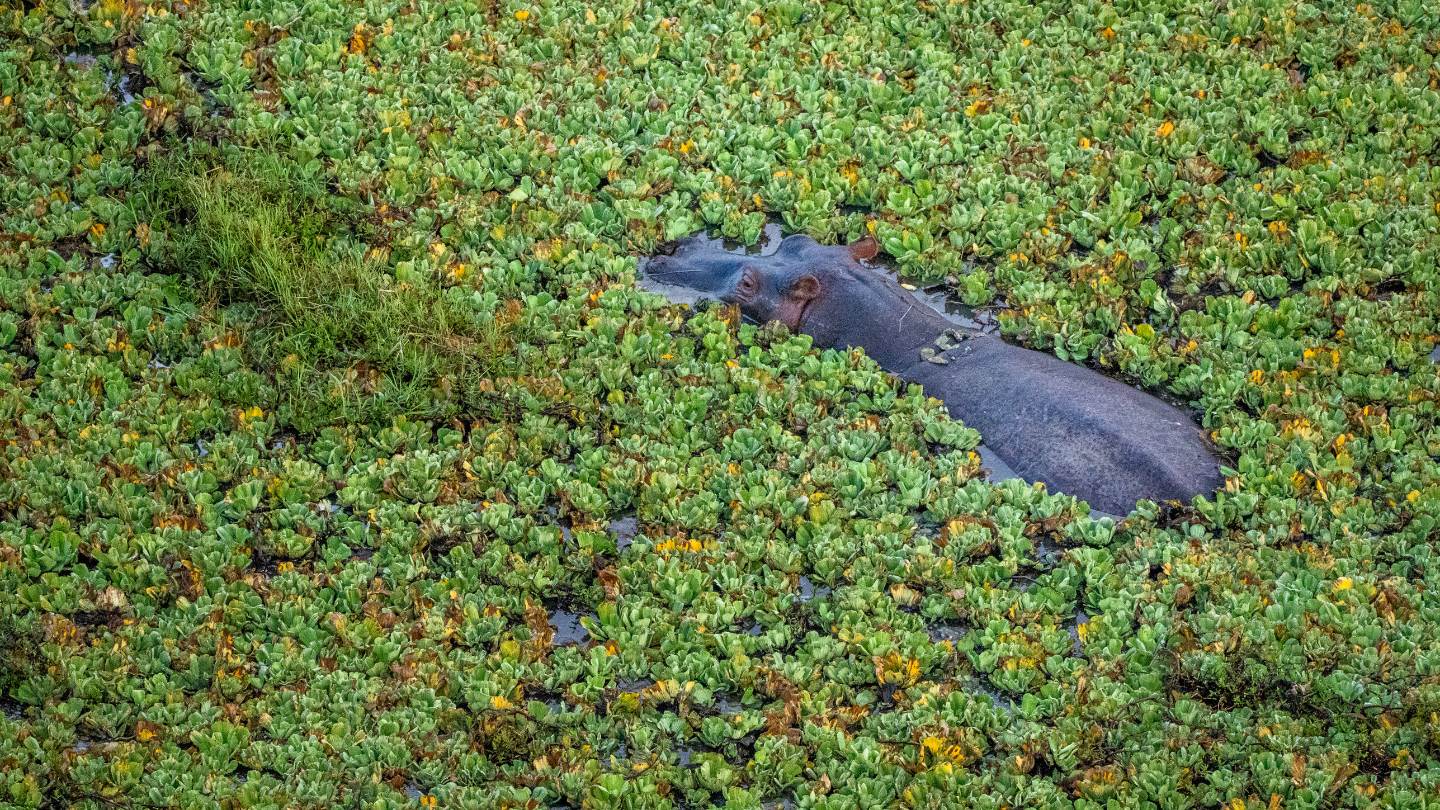
"Heavy rains can make roads muddy and wildlife slightly harder to spot due to taller grass.."
June-October: The Dry-Season
The dry season, from June to October, is widely considered the best time to visit the Masai Mara and Mara Triangle for wildlife viewing. During these months, rainfall is minimal, the grass is shorter, and animals gather around limited water sources—making them easier to spot.
The Great Migration
The biggest attraction during this period is the Great Migration, where more than 1.5 million wildebeest, zebras, and gazelles move between Tanzania’s Serengeti and Kenya’s Masai Mara in search of fresh grazing.
Peak migration months:
- July – September: Most dramatic Mara River crossings
- August – September: Highest wildlife density
- October: Migration starts moving back to the Serengeti
During this time, predators such as lions, cheetahs, and crocodiles are extremely active, often hunting near river crossings.
Why this season is ideal
- Clear skies and dry weather
- Animals gather around rivers and waterholes
- Easier wildlife spotting due to shorter grass
- High predator activity
However, this is also the peak tourist season, meaning higher prices and more safari vehicles.
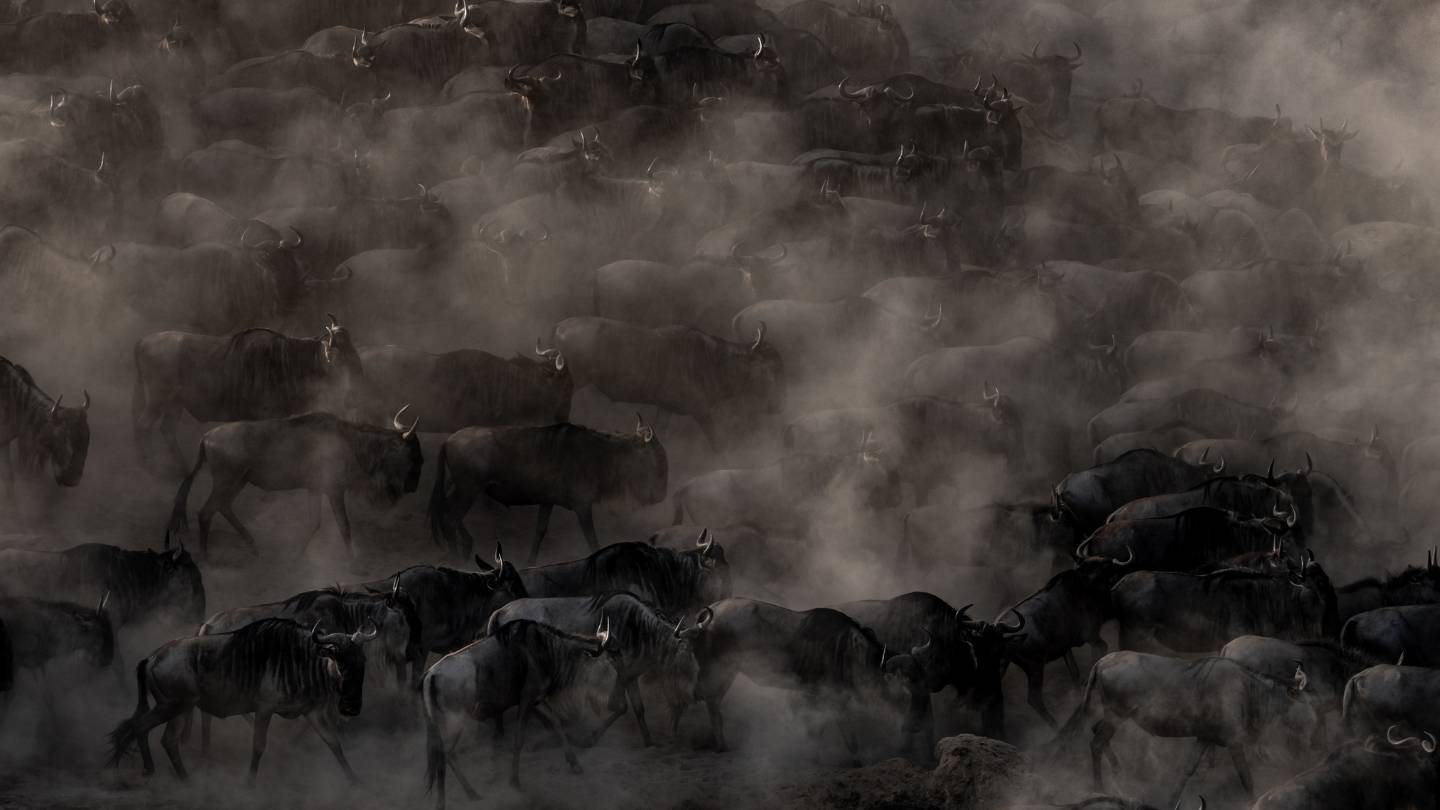
"More than 1.5 million wildebeest, zebras, and gazelles move between Tanzania’s Serengeti and Kenya’s Masai Mara in search of fresh grazing.."
November-December: Quiet Safari Experience
The short rains arrive in November, creating another quieter travel period. Which in turn also creates one of the best time to visit the Masai Mara and Mara Triangle.
While the migration herds have largely left the Mara by this time, wildlife viewing remains good thanks to resident species such as:
- Lions
- Elephants
- Leopards
- Buffalo
- Giraffes
The scenery becomes greener, and visitor numbers drop significantly.
This is a great option if you want:
- A peaceful safari experience
- Lower prices
- Good wildlife without peak-season crowds.
"The scenery becomes greener, and visitor numbers drop significantly."


So then, just when is the best time to visit the Masai Mara and Mara Triangle?
Overall, if your goal is the most dramatic wildlife spectacle, plan your visit between late July and September. But if you prefer fewer tourists and still want incredible animal sightings, January–February or October are fantastic alternatives.
For the best safari experience, spend at least 4-6 nights in the Mara Triangle and/or Masai Mara. This increases your chances of witnessing unpredictable events like river crossings and epic predator hunts.
Really though the best time to visit the Masai Mara and Mara Triangle is just about any time!