

A Beginners Guide to Safari Drives at Enkishui Safari Camp
March 20, 2026
A Day in the Life on Safari at Enkishui Safari Camp
April 13, 2026A Beginners Guide to Safari Drives at Enkishui Safari Camp
March 20, 2026A Day in the Life on Safari at Enkishui Safari Camp
April 13, 2026Photographers Guide to Capturing the Wildlife of Masai Mara
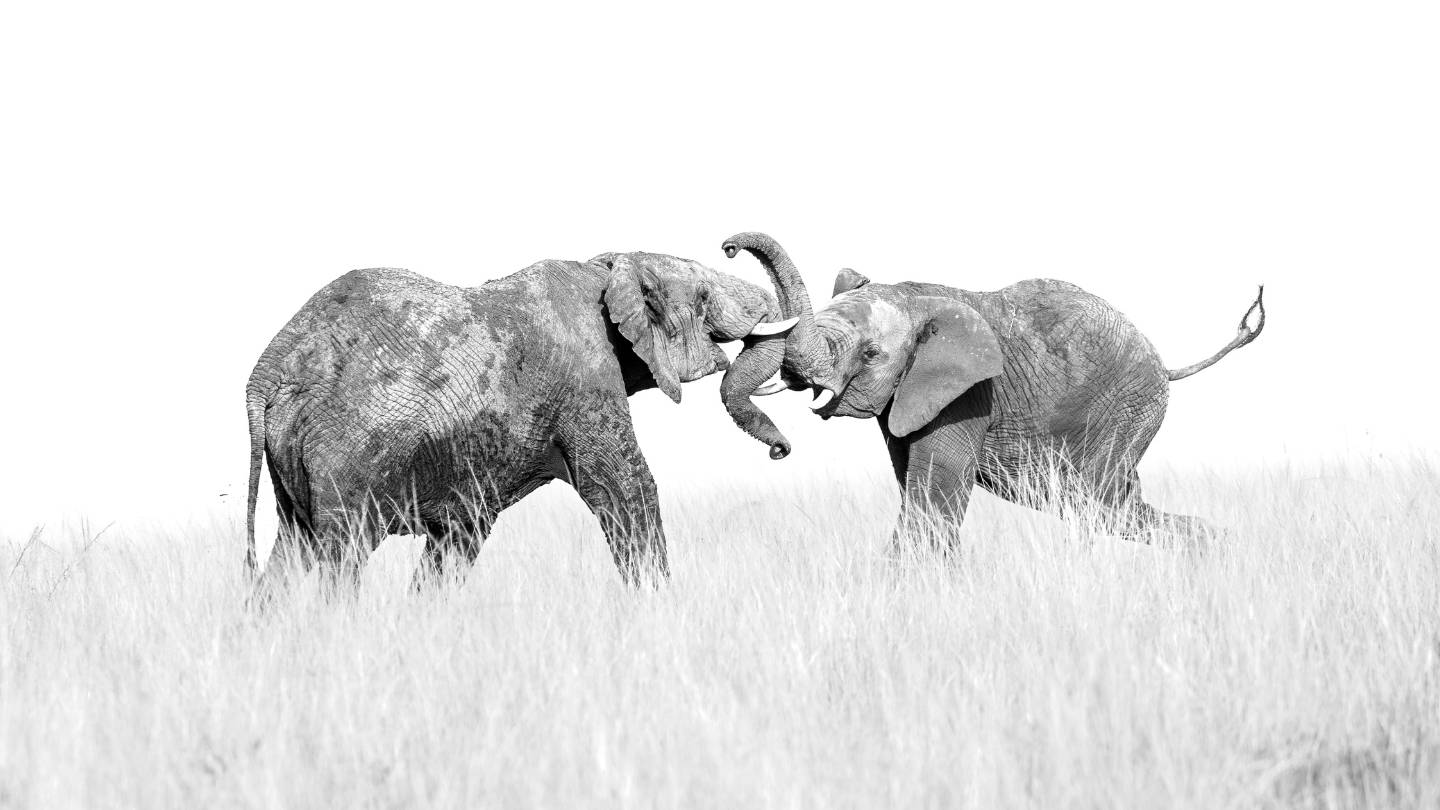
The Masai Mara is a bit of a cheat code when it comes to wildlife photography. I say this because it is as if Mother Nature created an area perfectly uniform, very few distractions and horizons with plenty of wildlife on them and every photographer knows that these are key elements that make for a great photograph.

Timing is Everything
Capturing breathtaking wildlife images in the Masai Mara is a dream for many photographers and for good reason. This iconic landscape offers an abundance of wildlife, dramatic scenery, and ever-changing light that can turn an ordinary shot into something extraordinary. With the right approach you can elevate your photography and bring home images that truly tell a story.
Early mornings and late afternoons—often called the golden hours—provide soft, warm light that enhances colours and adds depth to your photos. I have experienced many sunrises and sunsets in my life, but nothing quite gets close to sunrises and sunsets in the Masai Mara.
Wildlife is also more active during these cooler parts of the day, increasing your chances of capturing dynamic behaviour rather than static poses.
Patience is one of the most valuable tools in your kit. Great wildlife photography often involves waiting quietly and observing animal behaviour. Instead of chasing shots, position yourself thoughtfully and allow the scene to unfold naturally. This not only results in more authentic images but also minimises disturbance to the animals.
"I have experienced many sunrises and sunsets in my life, but nothing quite gets close to sunrises and sunsets in the Masai Mara. ..."

Understand Animal Behaviour
Understanding your subject is key to capturing compelling wildlife images and in the Masai Mara, this becomes especially important due to the richness and diversity of animal life. Each species behaves differently and even individuals within a species can act unpredictably depending on their environment, mood, or the presence of predators. Taking time to study these patterns—either beforehand or while on safari—can dramatically improve your chances of capturing meaningful moments.
For example, predators such as lions or cheetahs often display subtle cues before action: a shift in posture, focused eye contact, or a slow, deliberate movement through the grass. Recognising these signs allows you to anticipate a hunt rather than react too late. Similarly, herbivores like zebras or wildebeest may bunch together or become alert when sensing danger, creating opportunities for dramatic, storytelling images.
Birdlife also offers incredible photographic potential, but requires attention to detail. Watching for repeated behaviours—such as a bird returning to the same perch or preparing for flight—can help you pre-focus and frame your shot in advance. These small insights can make the difference between a missed opportunity and a striking image.
It’s also helpful to consider the time of day and seasonal changes. During the Great Migration, for instance, understanding herd movement patterns can position you perfectly for river crossings or mass grazing scenes. By learning to read the environment and the animals within it, you move from simply taking pictures to truly telling stories through your lens—capturing not just what the animal looks like, but what it is doing and why.
If you are not comfortable with reading animal behaviour just yet, don't let this put you off as you could always have a private photographic guide join you on safari that will "translate" the animal behaviour unfolding in front of you.
Start Planning your Masai Mara Safari Today
Let Your Image Tell a Story
Composition plays a crucial role in storytelling because it determines how a viewer’s eye moves through your image and how the story is ultimately perceived. While it may be tempting to place your subject directly in the center of the frame, doing so can often result in static, less engaging photos. Instead, applying the rule of thirds—positioning your subject along imaginary gridlines or at their intersections—creates a more balanced and dynamic composition that naturally draws the viewer in.
Beyond subject placement, consider the direction your subject is facing or moving. Leaving space in front of an animal—known as “lead room”—gives a sense of motion and purpose, making the image feel alive rather than constrained. For example, a running cheetah positioned to one side of the frame with open space ahead conveys speed and intent far more effectively than a centered shot.
Incorporating layers into your composition can also add depth and dimension. Foreground elements like tall grass, branches, or even dust kicked up by movement can frame your subject and create a sense of being immersed in the scene. Meanwhile, a strong background—such as stormy skies, distant hills, or a glowing sunset—adds mood and context, helping to tell a fuller story about the environment the animal inhabits.
Angles matter in telling a story through a still image. If for example you have a lion walking towards your through some tall grass, try and get your camera as low as possible (eye level would be the best) and see how that changes the whole story of your images, yes you might have some grass in the foreground infront of the lion's face but that is the story- a lion walking through tall grass- so make the long grass work in your favour.
Framing is another powerful technique. Using natural elements like trees or rock formations to “frame” your subject can guide attention and add visual interest. Additionally, experimenting with different perspectives—shooting low to the ground or from a slightly elevated angle—can transform an ordinary shot into something far more compelling.
Ultimately, thoughtful composition turns a simple wildlife sighting into a narrative image. It allows you to capture not just the animal, but the feeling of being there, surrounded by the vast, untamed beauty of the landscape.

Camera Equipment
As any photographer would know, camera gear and the appropriate lenses makes all the difference when on safari. Although the lenses is what really matters, we would always recommend a camera body with a fast autofocus.
If you could only take one lens I would recommend taking a 100-400mm as this gives you good reach and at 100mm you can still have a wide enough angle if an animal is further away.
The Mara lends itself for animals in environment photography and therefor my go to lens is a 70-200mm F2.8. I just love the blur effect this lens gives when an animal is further away.
For those extreme quality shots something like a 400mm F2.8 would work great it's just an absolute mission to travel with.
Because the Masai Mara and Mara Triangle has massive skies you really want to include clouds in your photos more often than not, for this a wide angle like a 16-35mm or 24-70mm works great, but I mostly use the 70-200mm for these shots and they also work just fine.
Great, you have the right equipment, now it is important to use them effectively. At Enkishui Safari Camp the safari vehicles that are being used have open sides that work perfectly for lower angle shots. There are also bean bags if you want to stabilise your lens.

Why Stay at Enkishui Safari Camp
Enkishui Safari Camp was originally a camp designed and managed by photographers for photographers. This means that the guides driving you around understands what are key environmental elements for a successful images like light, angles and so on.
If you really want to elevate your photography and want to get some new inspiration or get assistance with camera settings and composition ideas, Enkishui Safari Camp has direct access to some of the best photographic guides in the industry- these guides would then join you on your safari vehicle and would guide you through every sighting and image. This does come at an additional charge and also needs to be booked long in advance.
Editing! The editing phase of an image is where you could either completely ruin the image or get the absolute best out of it and pretty often this is a very fine line. At Enkishui Safari Camp there are desks, wifi and plug points in the tents, perfect for you to enjoy a Lightroom session in your tent between game drives. Again, if you have a private guide for you, they could assist with the editing of your images.


Finally, respect the wildlife and the environment. Keep a safe distance, follow your guide’s instructions, and prioritize the well-being of the animals over getting the perfect shot. Ethical photography ensures that these incredible ecosystems remain preserved for generations to come.
Have more questions for our team on this Photographers Guide to Capturing the Wildlife of Masai Mara?
